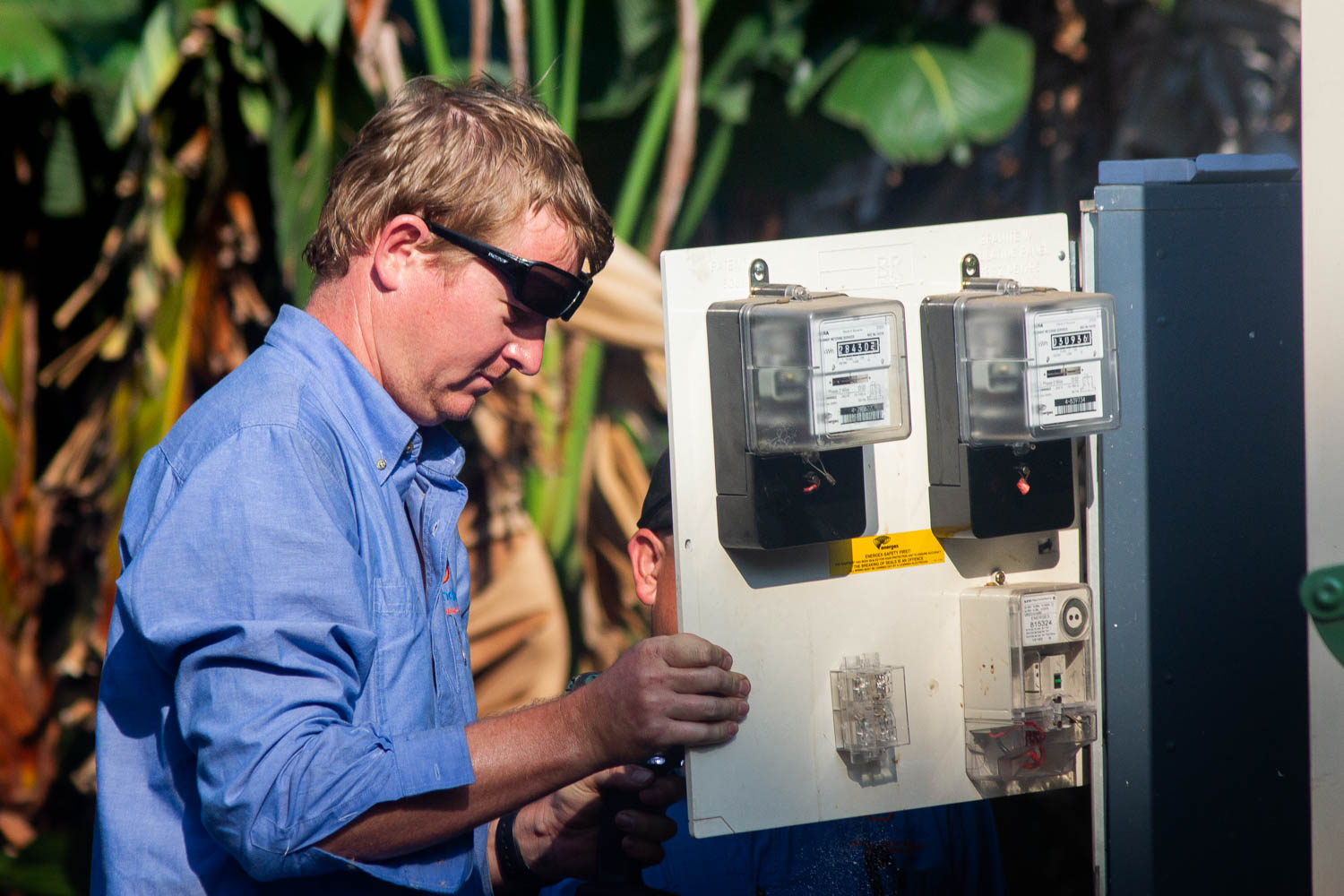



Electrical safety hazards in your home may suddenly present themselves, but they have likely been quietly brewing for a period of time. Your switchboard from 25 years ago becomes less competent at keeping up with the heavy demands of your household. Your safety switches haven’t been tested for years. Your smoke alarms have fallen out of compliance.
The good news is that it’s not hard to stay on top of all these aspects and more of home electrical safety. This guide covers what to look for, what to test, and when to call a licensed electrician.
Your Switchboard
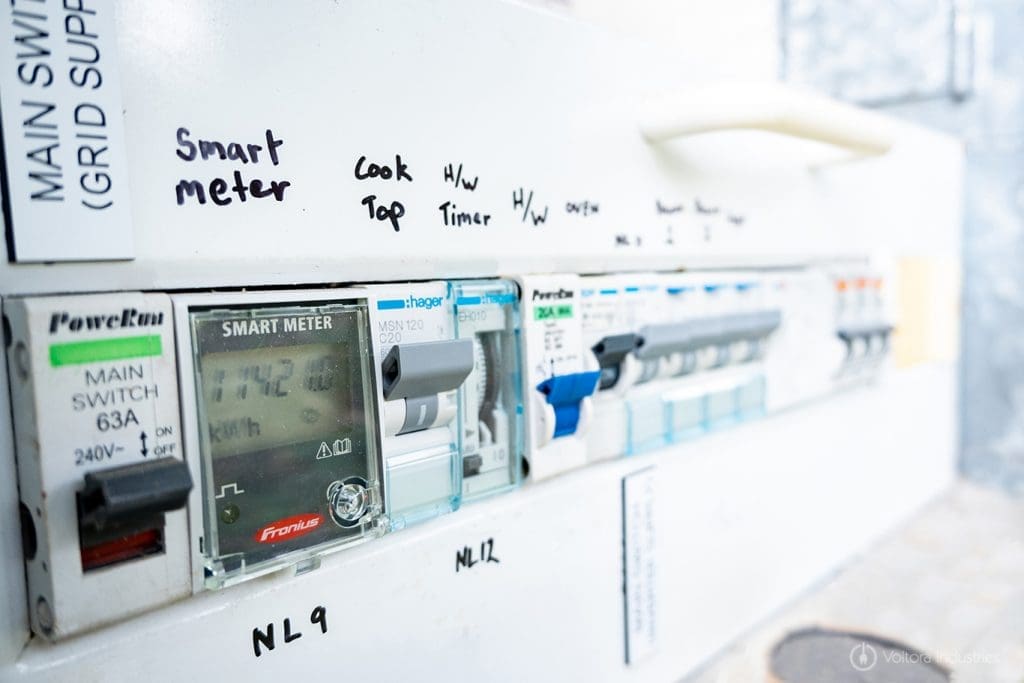
The switchboard is the heart of your home’s electrical system. It splits incoming power across different circuits, protecting your wiring and your property.
A modern switchboard contains different types of protective devices:
- Circuit breakers cut the power when a circuit is overloaded. This presents overheating and fires, protecting your property.
- Safety switches, or RCDs, detect when current is leaking or flowing somewhere it shouldn’t and then cut off the power. They protect people from electric shocks.
Older switchboards (from before the mid-1990s especially) may lack safety switches or have ceramic use holders rather than circuit breakers. They’re not equipped for modern electrical loads, and could be a major home electrical safety hazard waiting to happen.
We recommend getting it assessed by a licensed electrician, particularly if you’re in an older home.
Safety Switch Testing
Queensland’s Electrical Safety Office recommends testing the safety switches in your switchboard every three months.
It takes a couple of minutes:
Here’s how:
- Open your switchboard and locate the safety switch. Look for a button marked Test.
- Press the test button, which should make the safety switch trip to ‘off’ position..
- Check the circuit. If lights and appliances have lost power, then the switch is doing its job.
- Reset the switch to the on position.
- If you have multiple safety switches, test each one.
If the safety switch is faulty it won’t trip when you press the test button. Give the electricians at Voltora a ring and we’ll come and inspect your switchboard for you.
Wiring Warning Signs
Home electrical problems can give clear signals. Here’s what to keep an eye out for:
- Lights that flicker or dim
- Circuit breakers that keep tripping
- A burning smell coming from power points
- Power points that feel warm or show scorch marks,
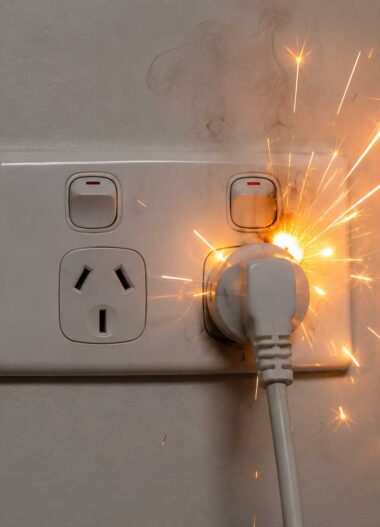
- Sparks from light switches or plug sockets
- Any tingling or mild shock from an appliance or tap means you should contact Energex or a licensed electrician immediately
- Buzzing or humming from the switchboard
The safety of your family, property and other residents in your home always comes first. If you notice any of the above, don’t put off getting the issue assessed by a licensed electrician. Definitely do not try and fix them yourself.
Smoke Alarms
Landlords, tenants, homeowners and business owners all need to be across Queensland smoke alarm laws for a start. All existing private homes, townhouses, units and manufactured homes in Queensland require interconnected photoelectric smoke alarms by 1 January 2027.
If you haven’t upgraded yet, you’ll want to get it done sooner rather than later. Compliant alarms will be interconnected, so if one sounds, all alarms in the building will sound too. They will also be photoelectric, meet AS 3786-2014 and be less than 10 years old.
It’s important you test your alarms regularly too. Working and compliant smoke alarms are essential to your home safety. Don’t hesitate to call Voltora Industries if you are unsure about yours.
Wet Areas and Home Electrical Safety
Water and electricity are a dangerous mix. Here are some tips for safety in wet areas such as the bathroom, kitchen and outdoor areas:
- Thoroughly dry your hands before using electrical appliances
- Don’t leave appliances (hair dryers or shavers) plugged in near the basin or bath
- Outdoor power points should have weatherproof covers and ideally a dedicated safety switch
- Pool and spa electrical installations must comply with Australian and Queensland standards and should be inspected by a licensed electrician.
Extension Cords and Power Boards
These are handy items that we all use around the home in one form or another. You need to manage your usage to keep them safe though, as they are only meant to be a temporary solution. Overloading them has been a big cause of electrical fires over the years.
Follow these rules and you will be ok:
- Don’t run the cords through walls or under carpets
- Don’t daisy chain or overload the power boards
- Regularly check cords for any damage. Don’t fix them, replace them.
- If you rely on extension cords and power boards regularly, consider getting more power points installed by an electrician instead.
Older Properties
If you’re in an older home and you know the electrics haven’t been looked at in a while, it’s a good idea to get a residential electrician over. The wiring could be old to the point of faulty, the switchboard is likely not equipped to handle modern electrical demands and earthing may be inadequate or degraded. Give an electrician a call, get your electrical infrastructure modernised and sleep more soundly at night.
Home Electrical Safety Checklist
Use this as a starting point for assessing your home.
Every three months:
- Test all safety switches at the switchboard
Every month:
- Test all smoke alarms
Annually:
- Check all power cords for fraying or damage
- Check power points for discolouration or warmth
- Vacuum smoke alarm vents to remove dust
One-off check:
- Confirm your switchboard has safety switches installed
- Check smoke alarms are photoelectric, interconnected, and under 10 years old
- Confirm hardwired alarms comply with the 2027 Queensland legislation
- Have an electrician inspect the switchboard if your home is more than 25 years old and hasn’t been assessed
Contact Voltora Industries
In Queensland, all electrical installation, repair, and alteration work must be carried out by a licensed electrical contractor. Don’t try and DIY your electrics – it’s not safe and your work won’t be compliant. This can have ramifications for insurance purposes, as well as placing your family and home in danger.
If any of the warning signs we’ve spoken about in this guide have presented themselves in your property, please get in touch with a qualified and licensed electrician to do an electrical inspection. They’ll pick up on anything that needs attention before it develops into a safety hazard.
The Voltora Industries team has been servicing Brisbane and SEQ across residential, commercial, and industrial electrical work for many years. We’re committed to your home electrical safety, so if you have any questions or would like to book an inspection of your electrical infrastructure, get in touch today.
Lets get started