




We’ve all experienced the frustration of not having a nearby power source when we need one. Some properties just don’t seem to have enough powerpoint outlets, and you can end up with a mass of extension cables running across the floor and multiple power boards plugged into sockets.
That’s not the safest approach to using electricity. Extension cords and power boards have a time and a place where they are useful, but its important not to become reliant on them. Here’s something to remember:
Using a powerpoint outlet is always going to be the safer and more stable option.
Today we’re going to look at the three choices closely, and help decide when you should go for the easy fix over the installation option.
What are the Three Options?
You’re no doubt familiar with these, but lets just clarify the three power sources:
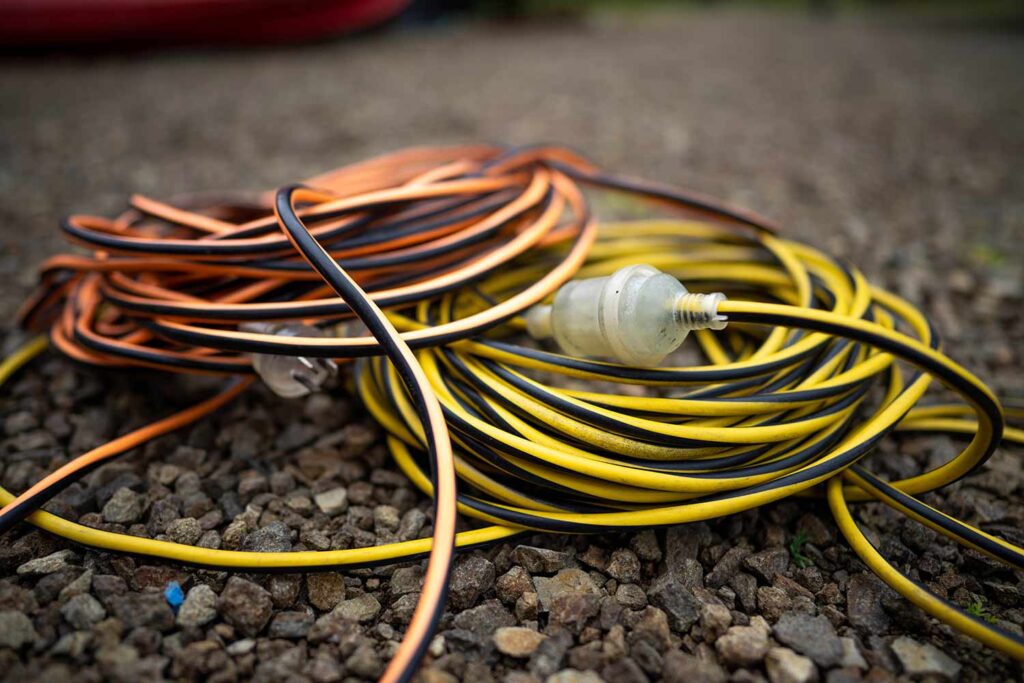
An extension lead is a length of flexible cord with a plug on one end and a socket on the other.
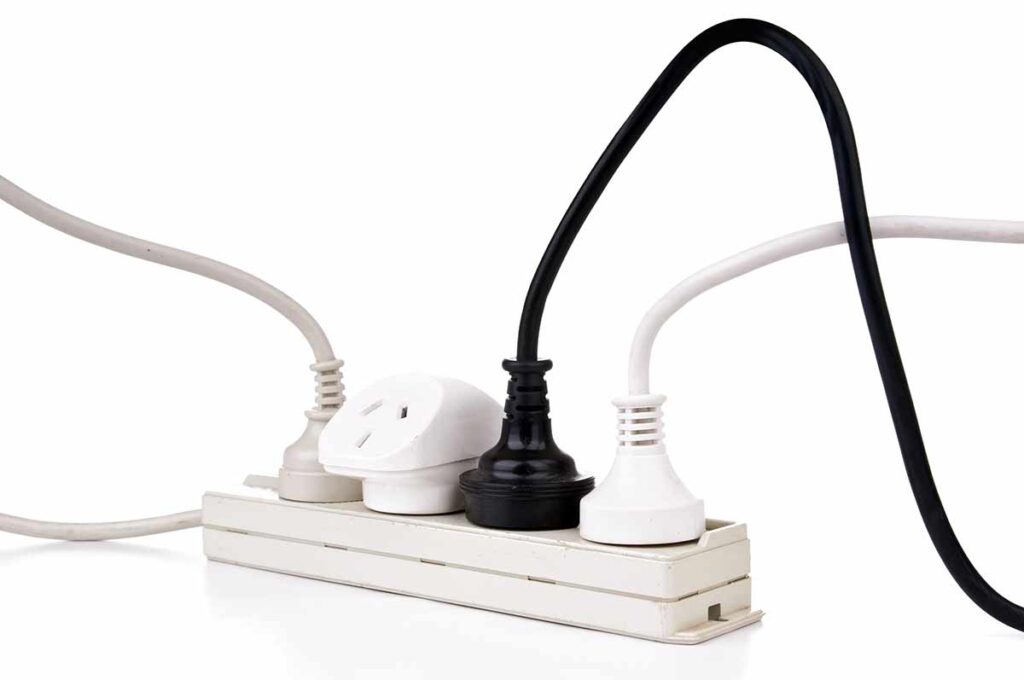
A power board plugs into the wall socket and has an extension lead leading to a board with multiple socket on.
A powerpoint is a power outlet fixed directly into your wall, wired into the property circuit with solid conductor cable. Built to a different standard to the two other choices, this is the only one rated to carry a load indefinitely.
That last distinction has a lot of influence on the choice of power source you make.
The Basic Physics Behind the Cabling
Every cable resists the flow of electricity a little, and that resistance turns into heat. More electricity going through will lead to more heat. Extension lead cabling is thinner than fixed wiring behind your walls. This means it crates more resistance, so will run hotter than the wall cabling.
It’s not just cable thickness; length is important too. Long, thin cables create more heat than shorter and thicker cables. They can also lose a bit of voltage across a long distance. Appliances compensate by drawing a touch more current, which in turn drives up the heat produced. To sum it up, working as close as possible to a power source is preferable to running long leads, because they create more heat and lose voltage.
When to Use an Extension Lead
Extension leads suit temporary, low-duration jobs like mowing the lawn, running a tool for an afternoon or lighting for a one-off event.
By temporary, we mean hours, not weeks. You don’t want a lead running from the lounge to the study for three months. The cord and connectors aren’t meant to carry that sustained load indefinitely.
When to Use a Power Board
Power boards suit low-draw electronics operating well under the board’s rated capacity. This includes things like phone chargers, a modem, a TV, a games console. The combined wattage of everything plugged in should be well below the rating of the board.
There are things you shouldn’t plug into a power board. These include anything generating its own heat, cycling a motor or running continuously for hours. Kettles, fridges, heaters and washing machines should all go directly into a powerpoint socket. They all add their own thermal load on top of the cord’s resistive heating. The power board isn’t built to handle that over time.
When You Need a New Powerpoint Installed
Most households could likely do with a few extra power points. Here are some clear signs it’s time for you to call the Voltora Industries electricians and get some installed.
- The same power board has been sitting maxed out for months
- Two or three appliances are competing for one point in the kitchen or laundry
- An extension lead has become a permanent fixture behind the TV or under a desk
- A fridge, freezer, heater or washing machine isn’t on its own dedicated outlet
None of the above is solved by a better power board or a heavier-duty extension lead. The fix is adding an outlet, wired directly into the electrical circuit of your property.
What Australian Standards are at Play?
Two different Australian Standards cover this ground:
AS/NZS 3112 governs the plugs, sockets, and flexible cord used in extension leads and power boards. It covers current ratings, insulation, and construction of portable connection devices.
AS/NZS 3008 governs cable sizing for fixed wiring, setting out the current carrying capacity of cable based on conductor size, insulation type, and how the cable is installed.
When you choose an electrician to install your powerpoints, ensure they’re qualified and experienced and that their work meets the required standards.
Safety Tip: Don’t Coil Extension Leads or Daisy Chain Sockets
If an extension lead is coiled up the heat it generates is trapped and the temperature can climb further. That’s a legitimate fire risk. You want your cable to be laid out flat so it can shed heat into the air.
Daisy chaining is when you connect multiple leads of power boards together to cover a greater distance or have more sockets to use. When you do this, each plug and socket joint adds a small amount of resistance at the connection, which adds a tiny bit of extra heat. The more you add, the more heat builds up. A fixed powerpoint skips all of this by running the cable straight from the switchboard to the outlet, with no extra joints along the way.
Order a PowerPoint Installation with Voltora Industries
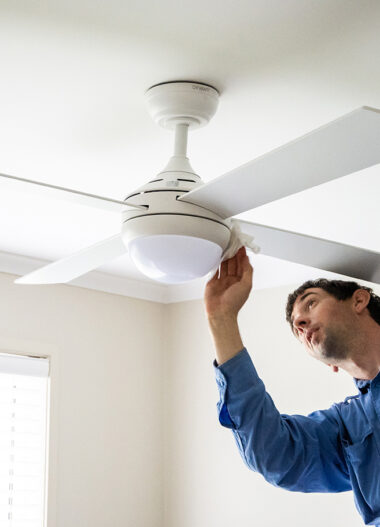
The electricians on our team perform powerpoint installations across Brisbane all the time. If you’d like to get us out to your property to safely upgrade the number of electrical sockets in your home, get in touch today.
If you’re in an older Brisbane property where the switchboard hasn’t been touched in years, we’ll be able to take a look and advise if any upgrades are required. Definitely worth getting everything sorted at once.
Got any questions or want to make a booking? Give us a shout on 1300 799 430.
FAQ
Why does a fixed powerpoint carry more load than a power board with the same amp rating? It uses heavier cable and has fewer connection points. Fixed wiring runs straight from the switchboard to the outlet. A power board’s cord is thinner and adds extra plug and socket joints, each generating its own bit of heat.
Does the length of an extension lead actually make a difference? Yes. A longer lead has more resistance, so it generates more heat for the same current. This adds up on a long lead under sustained load.
Can I just leave an extension lead running permanently instead of installing a powerpoint? You can, but it’s not built for that. Extension leads aren’t rated for constant use, and a permanent cable across a room is a trip hazard and a fire risk.
How many power points does a room actually need? Depends on how the room is used. A home office needs more than the standard two points most older homes have. Count what you plug in at once and add a couple of spares.
Is it expensive to add a powerpoint to an existing room? Depends on the wall type and how far it is from existing wiring. Usually straightforward. An electrician can give you a fixed price after a quick look.
Can I use a power board and an extension lead together? Better not to. It stacks two things that weren’t designed to carry each other’s load and adds another heat-generating joint.
How do I know if my switchboard needs upgrading too? Ceramic fuses, no safety switches, or a board untouched in twenty years are all signs it’s overdue. A switchboard upgrade brings it up to standard.
Lets get started