



Brisbane is going solar power crazy! Thanks to the Cheaper Home Batteries program and the masses of Queensland sunshine, the Voltora Industries solar system installers are flat out. This is great news for the environment and the pockets of smart homeowners who will enjoy reduced energy bills.
Although they quietly sit on your roof and bring down your energy bills, some solar panel maintenance is still required. You need to bear in mind solar panels don’t operate at a fixed level their entire life – there are multiple factors affecting solar panel performance.
Today we’re going to look at what those factors are and how you can manage them to get the most out of your panels. Two homes with the same size system can produce very different amounts of energy. We want yours to be the one producing more!
What Does Solar Panel Performance Actually Mean?
Solar panel performance is the amount of usable electricity a system produces compared to what it is capable of under real conditions. The ratings of your solar panels are normally determined in laboratories with controlled light and temperature conditions. The real world isn’t going to be as consistent, and performance will go up and down accordingly.
The following will affect it:
- Sun angle and daylight hours
- Temperature of the panels
- Wiring and connections
- Inverter efficiency
- Dirt on the panels
- Shade
- Panel tilt
If your system is performing as it should, its output will match the conditions on the day. They’ll look like this:
- Clear winter days: Steady mid-day output.
- Hot summer days: Early peak, often accompanied by a fall as solar panels get hotter.
- Cloudy days: Lower energy production.
If you notice sudden drops, long flat lines on a sunny day or a gradual decline in production, your solar system could have a problem.
Temperature, Cloud Cover and Solar Output
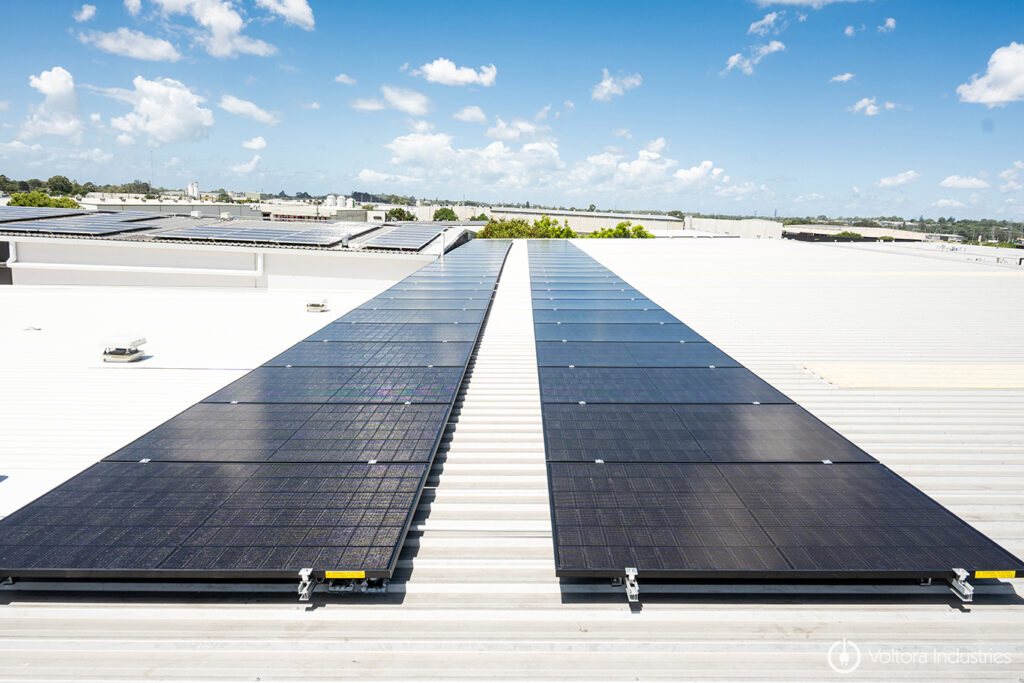 We get plenty hours of sunshine in Queensland, but strong sunlight doesn’t necessarily guarantee high energy output. Temperature, cloud cover and local conditions also play their part.
As panels get hotter, they become less efficient. Most panels are lab rated at an optimal 25°C. For every degree Celsius above that, performance drops by 0.3 to 0.5%. So on a hot 42°C Queensland day, you could see a drop of around 8-9%.
Cloud cover also plays a part – thick and dark clouds can reduce output by up to 70-90%. Even on a moderately overcast day, your production can be down around 50%. Your panels still produce some energy when its cloudy, but there’s a definite impact on production levels.
There’s not much we can do to control the weather – the key is to ensure your panels are optimised to take full advantage of the prevailing conditions, whatever they may be.
Orientation
The direction your solar panels are facing has a big impact on their productivity. In Queensland, and all around Australia, the best practice is to have your panels facing north. They’re going to get the most sunlight falling on them during the day if they do.
If its not possible they face north, then east is good for morning energy and west is good for afternoon energy. At Voltora Industries we like to split panels across different roof faces – this helps to even out energy production during the day.
Tilt
The tilt of your solar panels will affect productivity, although it doesn’t make a huge difference though. In Brisbane, the optimal tilt is around 27°, based on the latitude we’re located in.
It doesn’t affect productivity enough to make changes to the mounting structure of the solar panels on the roof. The angle of the roof will be close enough – changing it will only result in minor gains and won’t be worth the effort.
Shade
Shade is one of the quickest ways to lose solar output. Panels are made of linked cells so when part of a panel is shaded, it restricts current through the whole panel and sometimes the entire string. Output is reduced beyond the shaded area. The rule of thumb is that the production of your panels decreases by 50% while they are in shade.
Shade also changes across the year. The lower sun angles of winter can cast shadows that arent’ there in summer. Things like trees, buildings and chimneys all cast shadows.
Shading needs to be reviewed when your solar panel is being installed, and at various points over time as surrounding trees grow or buildings are constructed.
Panel Cleanliness
Dirty panels reduce light absorption and lower output. In Queensland we can get a lot of dirt buildup, fast. Common sources include:
- Dust from dry conditions
- Pollen and organic matter
- Salt in coastal air
- Bird droppings
- Leaves
The more light that is blocked, the more output drops. If your panels are really dirty, you can lose up to 25%
We’d recommend checking your panels every 6 to 12 months. If they’re looking dirty and you’ve noticed your solar production is down, professional cleaning is the best and safest way to get your panels back to full capacity. .
Inverters and monitoring
 The inverter is the part of your solar power system that converts the panels DC power into AC power.
Like any hard-working piece of electrical equipment, they have a lifespan. For most, it’s between 8 and 15 years. If you see repeated error messages, drops in production or large decline year after year, it could be a problem with your inverter.
When this happens, get in touch with a solar electrician to come out and assess.
Common Causes of Underperformance
Given the above information, what are the most likely culprits when your solar system is underperforming? Here’s a basic summary of what could be wrong:
- Poor panel placement
- System size not matched to real usage
- No allowance for future shade
- Loose electrical connections
- Undersized wiring
- Poor airflow around panels or inverters
- Dirty panels
- Damaged cables
- Ageing or failing inverters
- Shade changes not noticed
- New pergolas, extensions or buildings creating shade
- Natural panel ageing (slow, expected decline)
- Sudden drops that point to faults, not age
Use Power to Match Your Solar
Maximising system value is not only about generation – it’s about consuming your energy at the right times.
Using appliances during daylight hours allows you to use your own solar instead of exporting it for low feed-in tariffs. When you do this, you end up buying it back later at a higher price.
Daytime loads that suit solar include:
- Washing machines and dryers
- Dishwashers
- Pool pumps
- Hot water systems
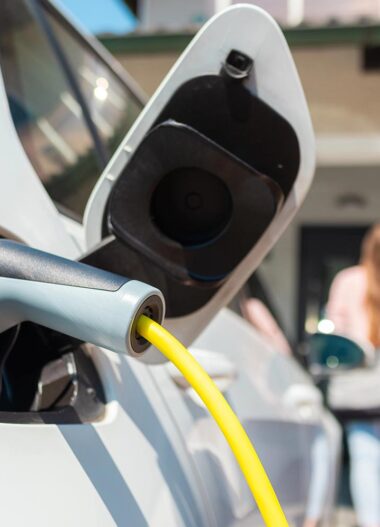
- Electric vehicle charging.
Even small changes to your usage of the above items reduce grid reliance. Today, solar batteries, timers and smart controls can help you make the shift!
Let Voltora Industries Keep Your System in Top Condition
If you have any issues with your solar power system in Brisbane or around SEQ, get in touch with our solar team. We’re here to help if your energy production takes a dive or your power bills suddenly skyrocket. Anything out of the ordinary, give us a call and we’ll help maximise your solar panel performance.
A properly designed and maintained system should perform reliably for decades. We want that to be the case for your solar power – let’s work together to keep those energy bills down!
Lets get started